
AI Can Build Software. It Cannot Certify It.
Tools like Lovable, Bolt, Replit, Cursor, v0, and Base44 make software creation dramatically easier. But they don't provide independent trust. V2P acts as the trust layer between AI-generated software and the people who depend on it.
Compliance
PASS
Security
98.2%
How Teams Leverage V2P
Production Readiness Verification
Verify that AI-built applications meet quality, security, and architecture standards before production deployment.
Technical Due Diligence
Provide technical evaluators with verified quality signals without exposing proprietary source code.
Stakeholder Trust & Transparency
Demonstrate software maturity to investors, partners, and enterprise buyers with quantified, verifiable trust artifacts.
Governance & Risk Management
Establish organization-wide standards for AI-generated software quality, security, and production readiness.
Simple Five-Step Certification
01
Submit Your Application
Connect your GitHub repository or upload your codebase. V2P accepts all major frameworks and languages. Your code is never persisted, analyzed in real-time and discarded after evaluation.
02
Multi-Agent Audit Analysis
Our distributed analysis engine evaluates your application across eight critical dimensions in parallel. Each dimension is analyzed independently for depth and accuracy.
03
8-Dimension Evaluation
Security, Architecture, Revenue Readiness, Data Management, AI Safety, Operations, Maintainability, and User Experience. Each dimension produces detailed findings and business value insights.
04
Receive Grades, Findings, and Recommendations
Get dimension-specific scores, detailed findings with evidence, and actionable recommendations. Understand exactly where your application excels and where improvements are needed.
05
Earn Certification and Display Your Trust Seal
Share your certification certificate, embed your trust seal on your website, and communicate production readiness to investors, enterprise customers, and partners.
Trust Infrastructure Creates Value
V2P operates as an independent certification authority providing the trust infrastructure that enterprise teams need to ship AI-generated software with confidence.
Methodology
Evaluation Dimensions
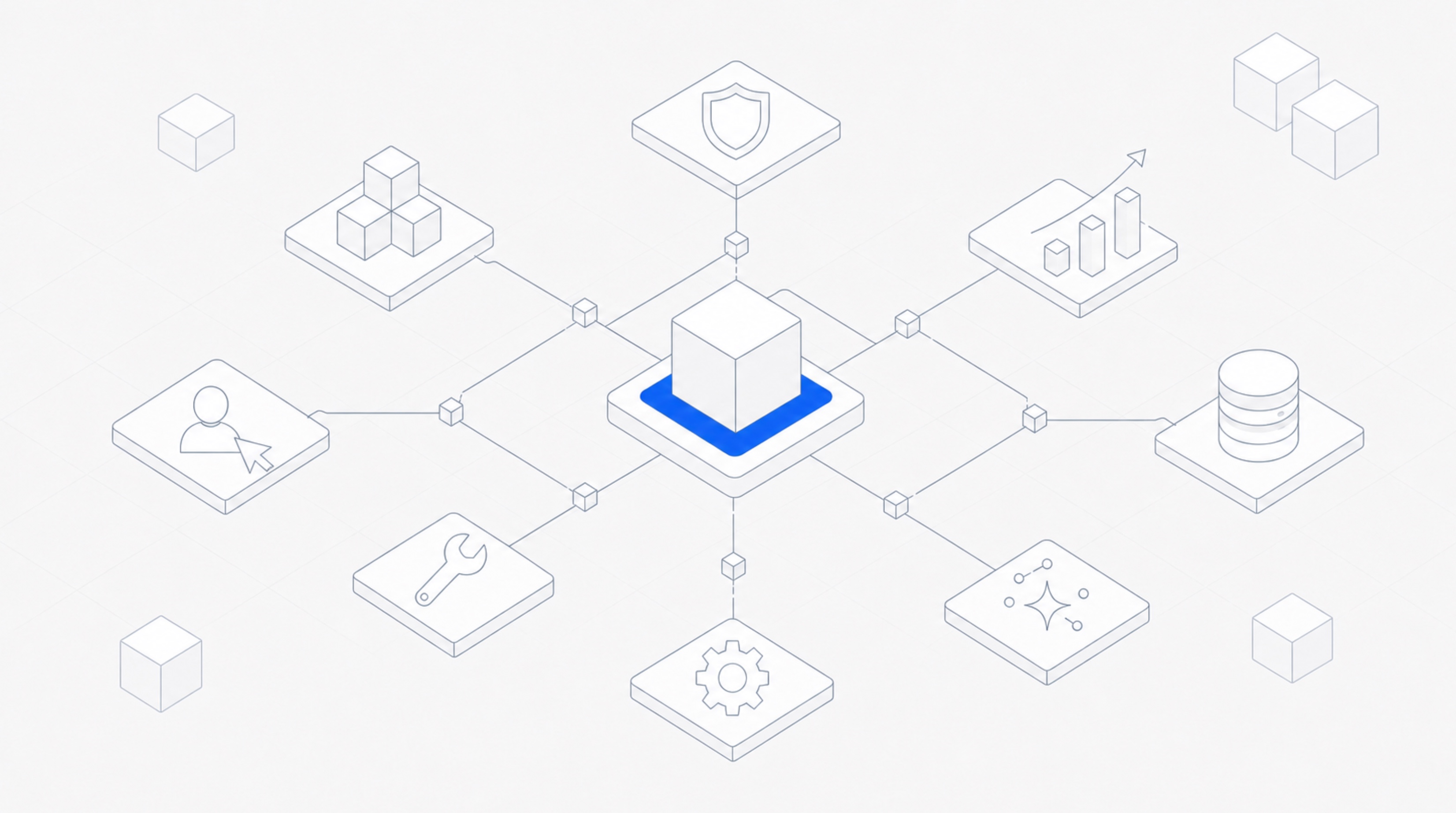
Comprehensive assessment across security, architecture, revenue readiness, data management, AI safety, operations, maintainability, and user experience.
Authority
Trust Artifacts
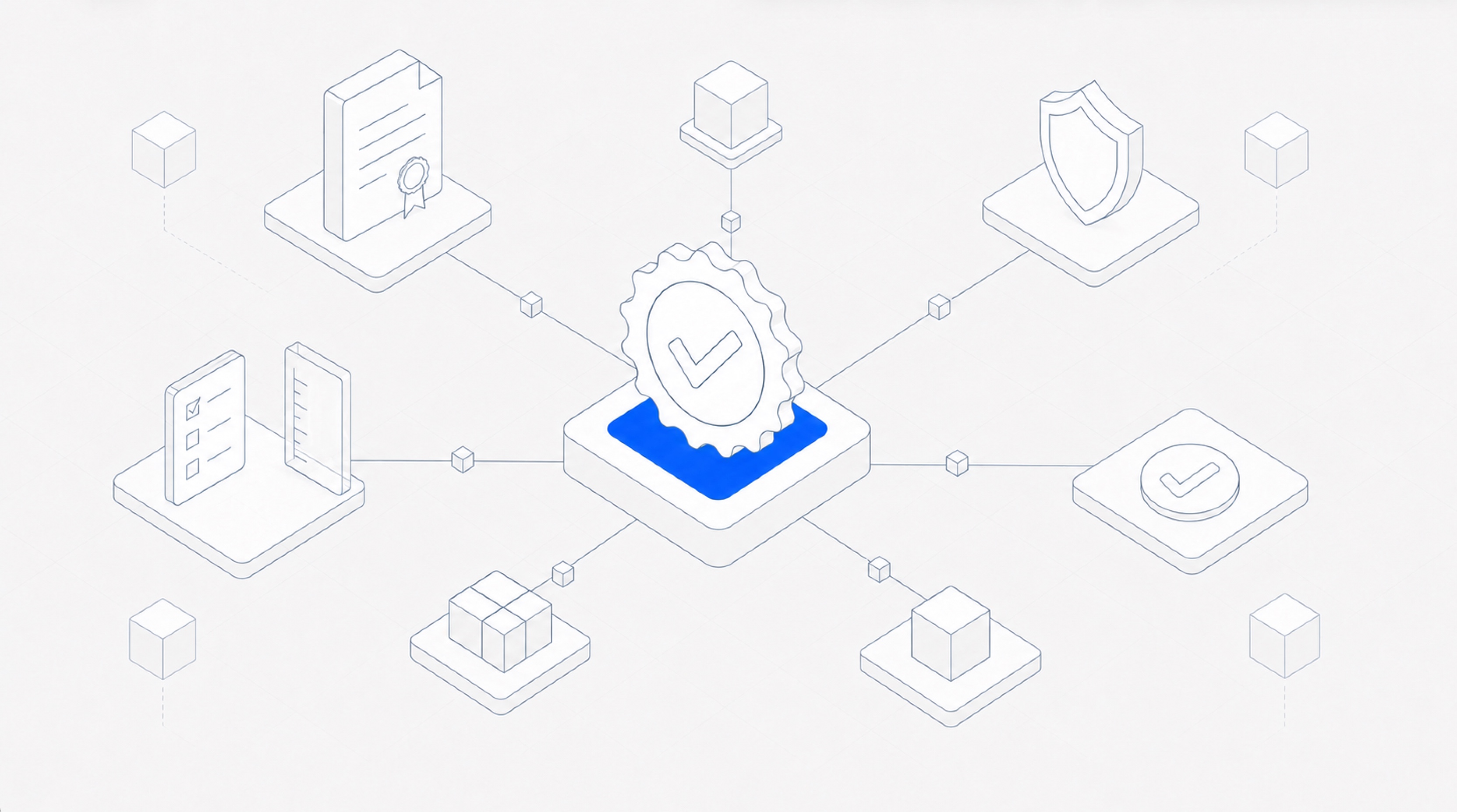
Certification results can be shared with investors, enterprise buyers, partners, and stakeholders to demonstrate software maturity.
Results

Certification Authority
V2P provides third-party production readiness certification with verifiable trust artifacts and transparent evaluation standards.
V2P's 8-Dimension Certification Framework
Every application is evaluated across eight critical dimensions. Each provides specific business value and technical insights.
Security
Identify vulnerabilities, dependency risks, and attack vectors before production.
Architecture
Validate structural integrity, scalability patterns, and system design quality.
Revenue Readiness
Assess monetization readiness, payment processing, and subscription system reliability.
Data Management
Verify data handling practices, privacy compliance, and database design patterns.
AI Safety
Detect AI-specific risks, hallucination-risk signals, and model dependency issues.
Operations
Evaluate logging, monitoring, error handling, and operational intelligence capabilities.
Maintainability
Assess code quality, documentation, testing coverage, and long-term sustainability.
User Experience
Review UI/UX patterns, accessibility, performance, and user interaction quality.
Fast Builds Still Need Real Validation.
AI tools can take a product from idea to launch quickly, but they don’t prove whether it’s secure, scalable, production-ready, or trustworthy enough for investors and customers.
Questions Founders Face
Is the application secure?
Can it scale?
Is it production ready?
Can it survive due diligence?
Can investors trust it?
Can enterprise customers trust it?
The Confidence Gap
Developers understand the code. They built it (or watched
the AI build it). But investors, enterprise buyers,
partners, and compliance officers don't have that
context.
This is the technical confidence gap that V2P exists to
solve.